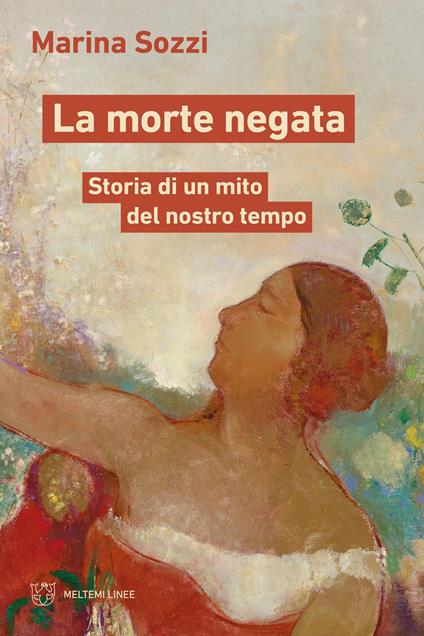
“For about thirty years, I’ve been a thanatologist—that is, I study how people think about and fear death, how they die, how they mourn and honor the deceased, and what strategies they use to carry on with their lives after a loss. If you think that’s sad, it isn’t. It’s a way of understanding the world around me, no different from any other.”
Thus begins the latest text that Marina Sozzi has developed and written to help us reflect on cultural and social attitudes toward death, on the taboos surrounding the moment of passing, on the “medicalization” of the end of life, on the loneliness of the dying, and on the communal need to bid farewell to life in a dignified and respectful manner.
From Tolstoy’s The Death of Ivan Ilyich to the reflections of Edgar Morin and Norbert Elias, from experiences in palliative care centers to the funeral rites of different societies, the Turin-based philosopher debunks the “conspiracy of silence” woven around the dying—a phenomenon that has been part of the entire history of medicine for millennia, dating back to Hippocrates. And she does so without fear of putting herself on the line: “When talking about the fear of dying, I can start with myself and look in the mirror. I have metastatic cancer, albeit in remission, and every time it’s time for checkups, the fear rears its head a few days beforehand, and then explodes right before the tests. There’s no way to control it.” There is, however, a way to overcome the taboo: sharing.
In fact, something is finally changing in our uneasy relationship with death: end-of-life issues are bursting into the public debate, raising ethical and legal questions about euthanasia; hospices and Death Cafés are opening new spaces for support and sharing; above all, palliative care offers, for the first time, a concrete response to the pain and distress of dying.
Marina Sozzi, however, does not merely describe this unstoppable transformation: she offers a symbolic language capable of honoring the deceased, consoling the living, and reaffirming that community life continues beyond loss.